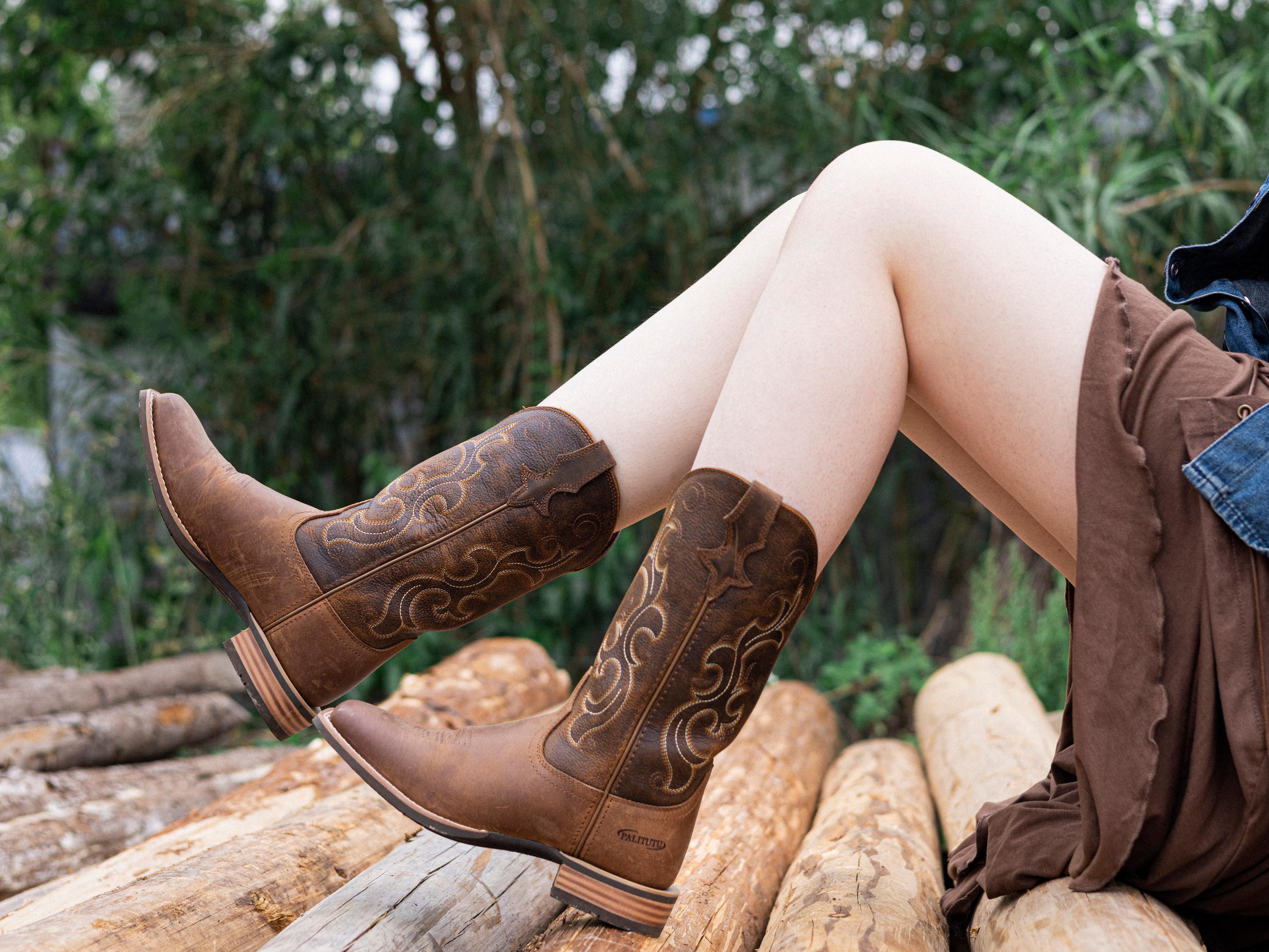
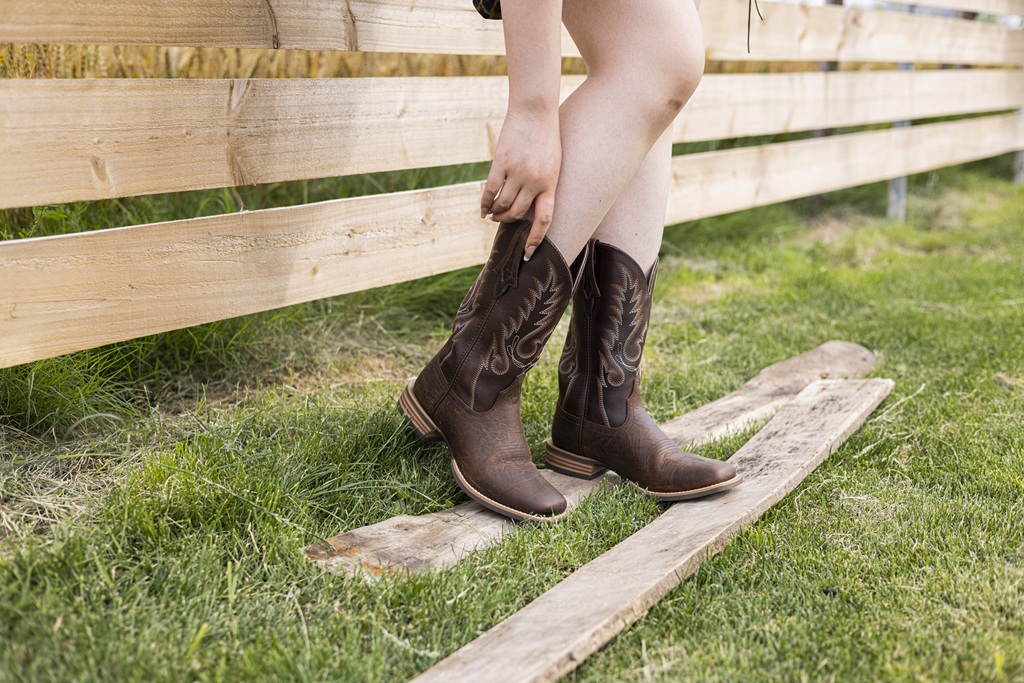
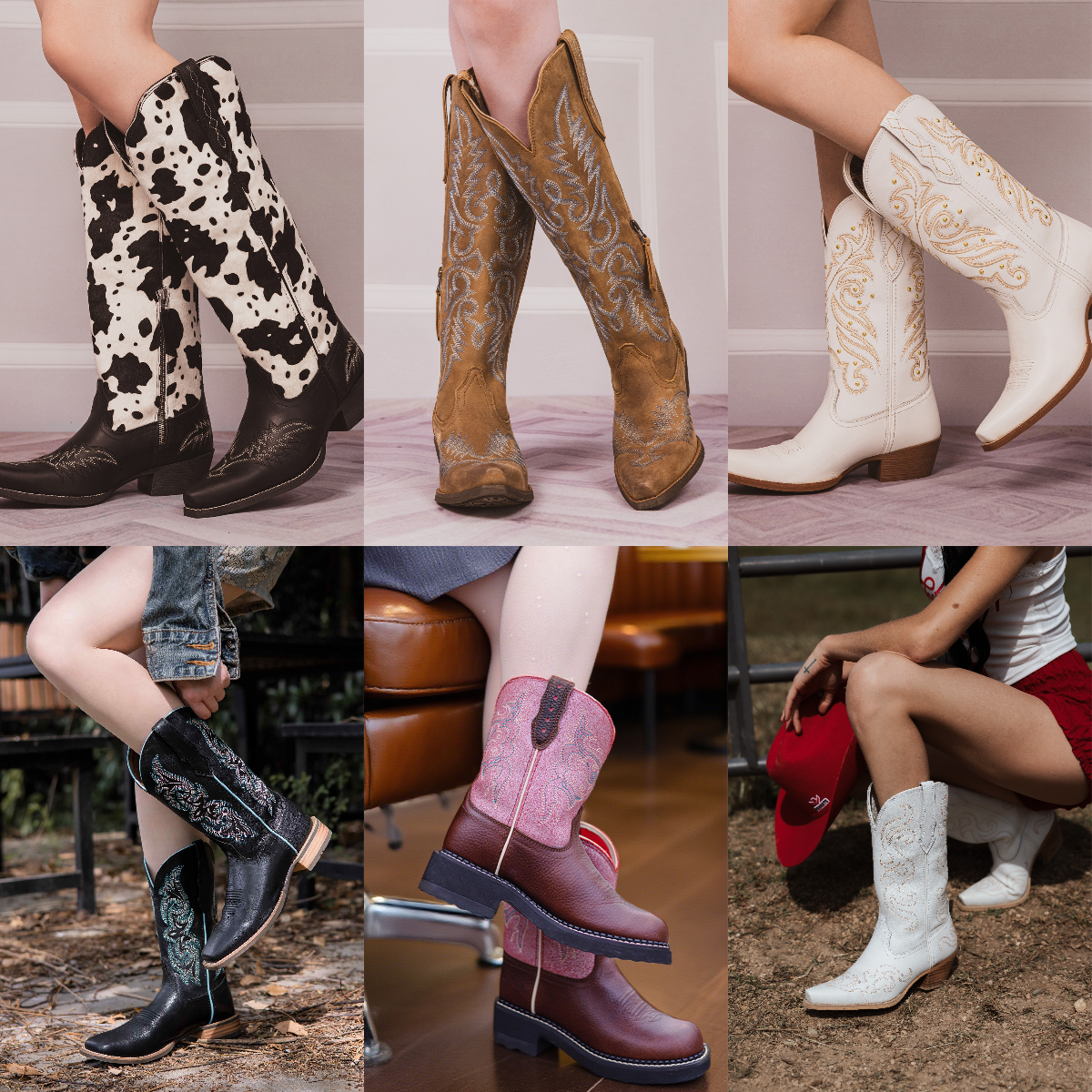
From light tan and weathered cognac to deep chocolate tones, brown has remained closely connected with Western footwear for generations. Its relationship with leather, ranch landscapes and traditional Western equipment gives the color a cha...
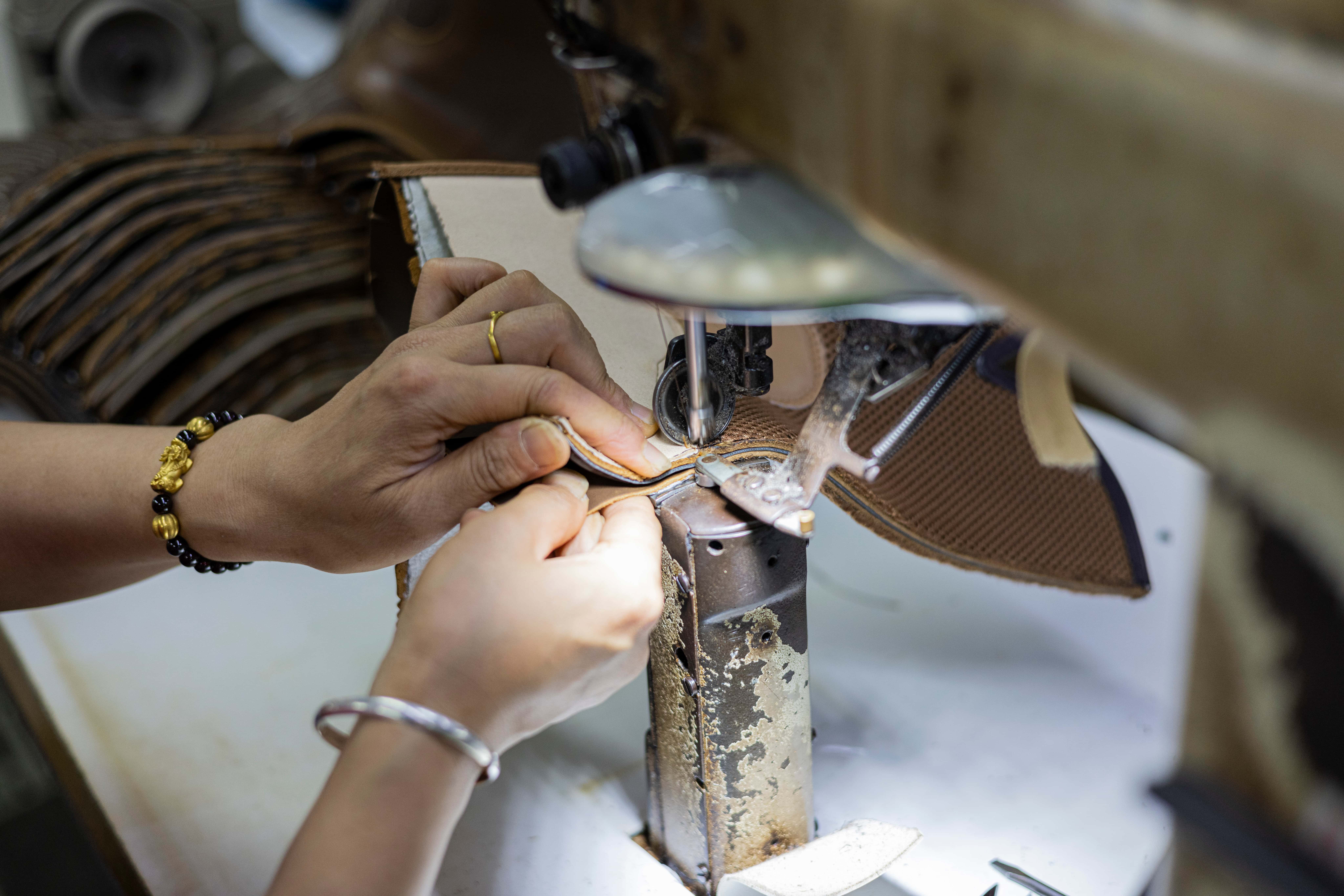
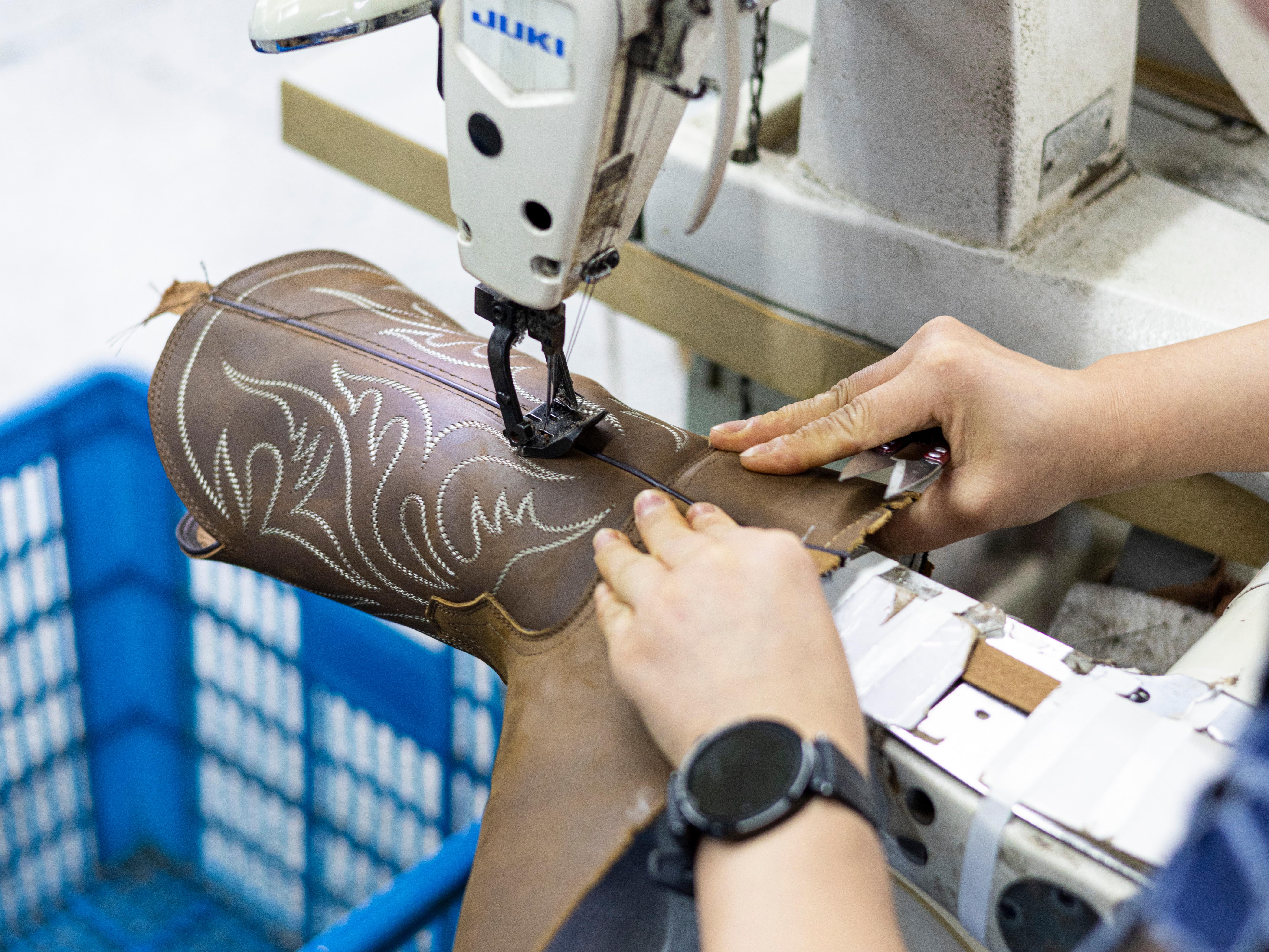
A Western boot begins as a collection of individual leather components. Before those pieces can be assembled, selected edges may require folding, binding, piping, or other sewing operations. This intermediate step helps prepare clean and co...
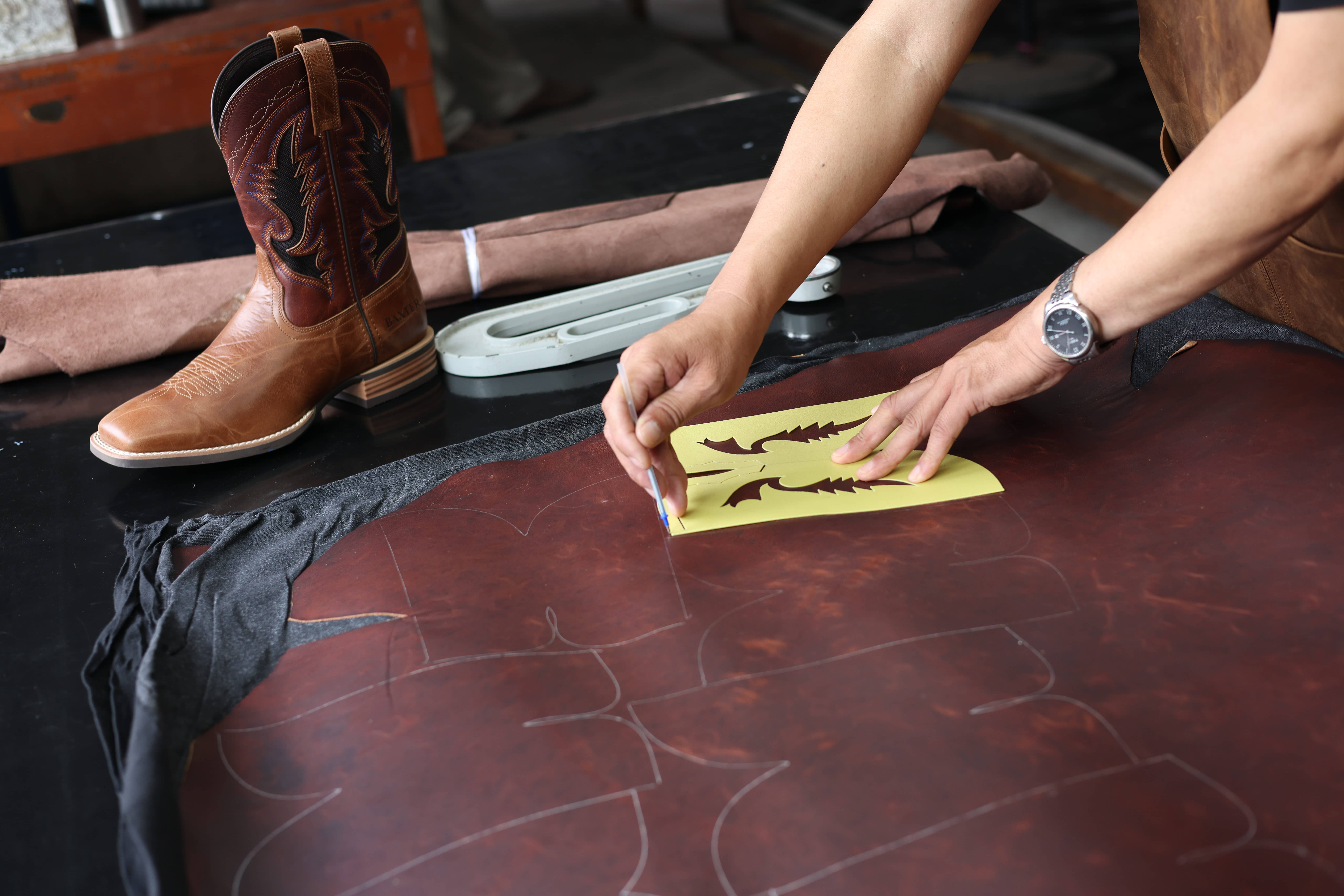
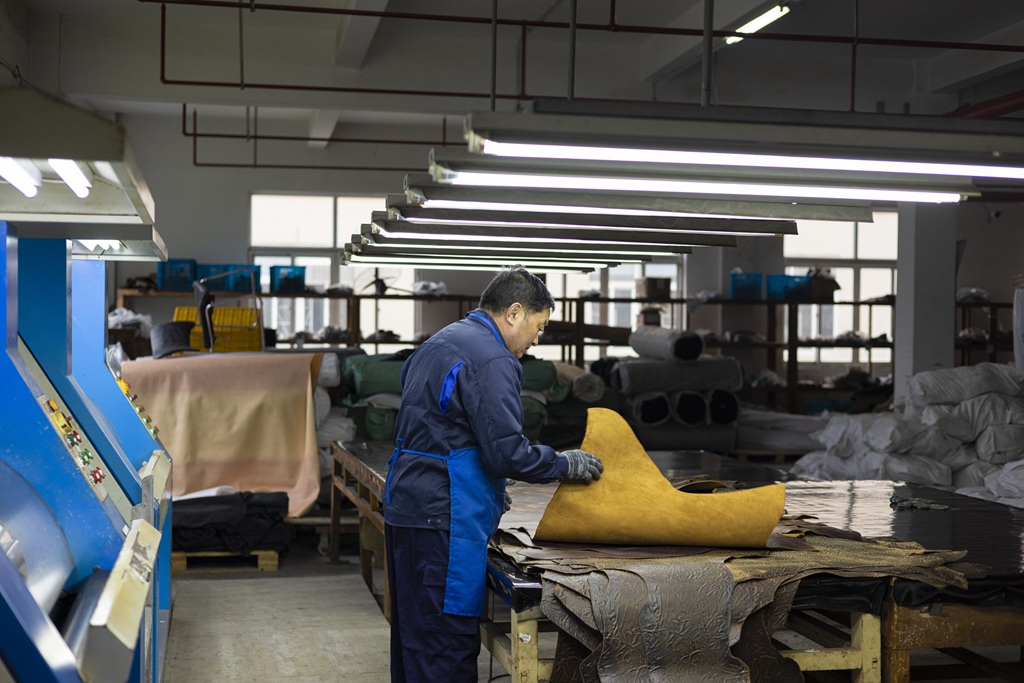
Unlike roll materials, natural leather comes in irregular shapes with variations across the hide. Before cutting begins, boot components must be positioned according to their shape, material requirements, grain direction, and available cutt...
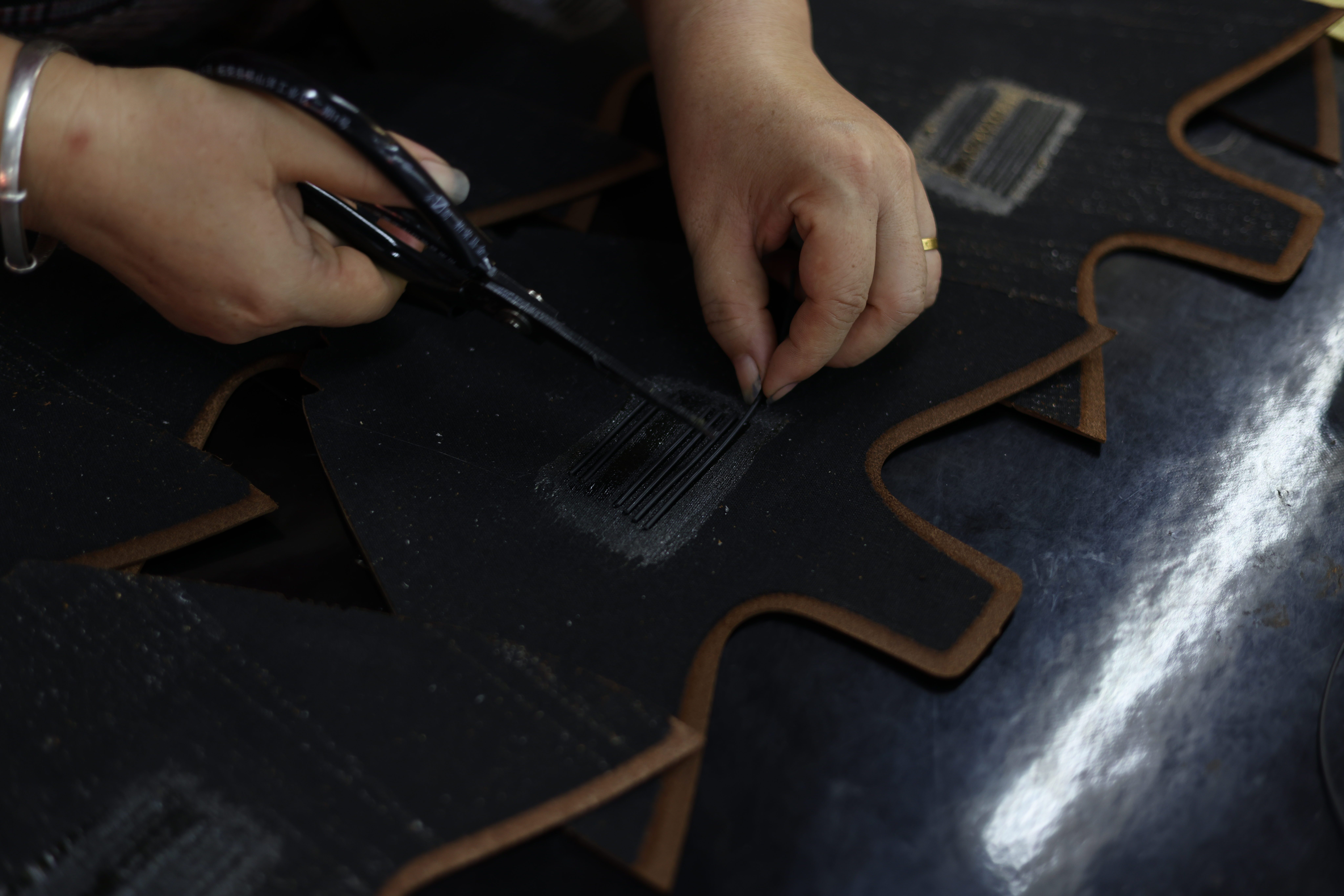
When leather shaft panels are joined, the seam can create extra thickness inside the boot. Cotton seam tape is used in selected constructions to cover this raised area, creating a softer transition between the internal seam and the wearer¡¯...
The pull straps found on the top of Western boots are one of their most recognizable features. Originally created for practical use, they continue to serve an important purpose while preserving a design tradition that has been part of Weste...
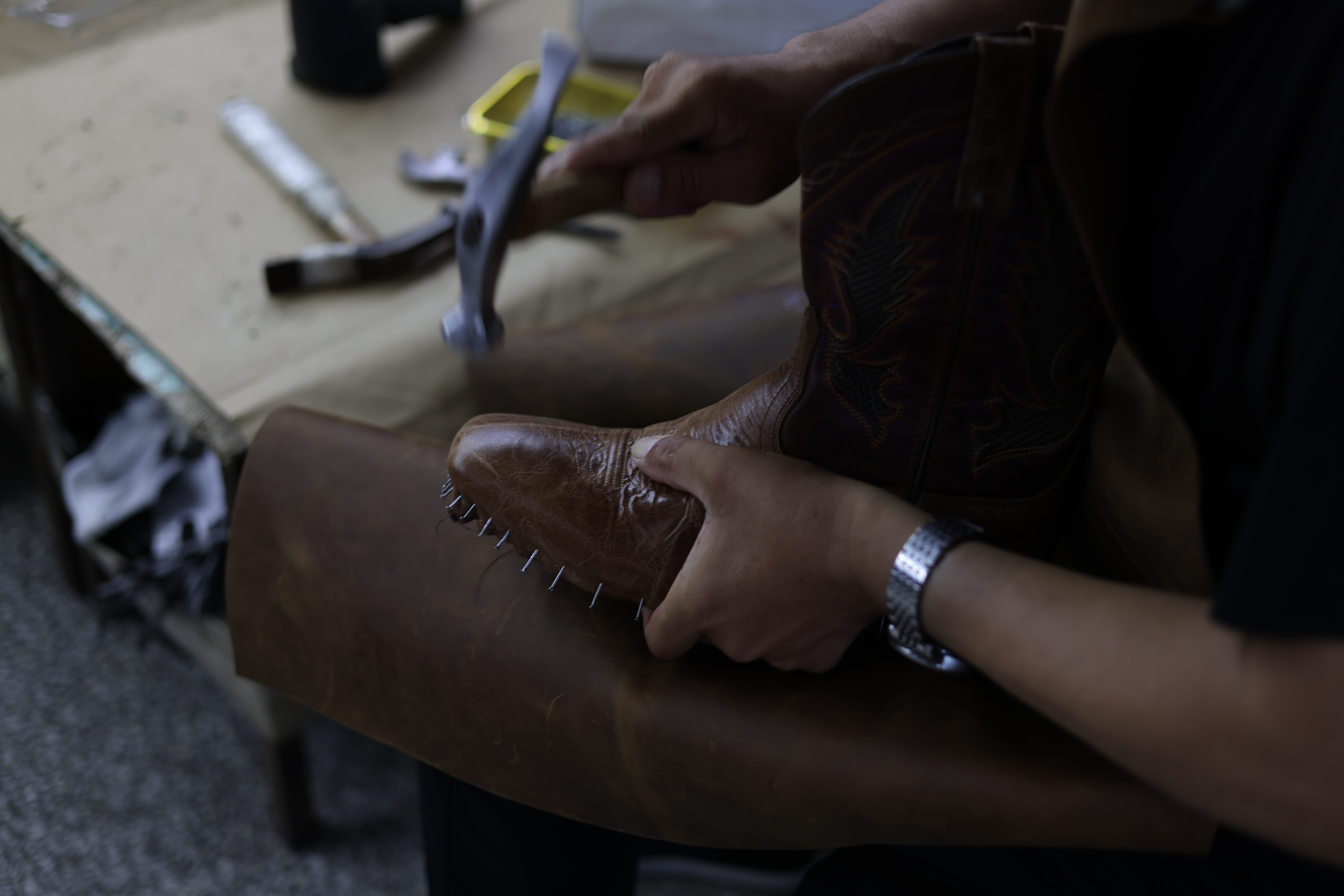
Lasting is one of the most important stages in Western boot manufacturing. By carefully stretching and securing the leather over a boot last, craftsmen establish the boot¡¯s final shape, creating the foundation for welt construction, outsol...
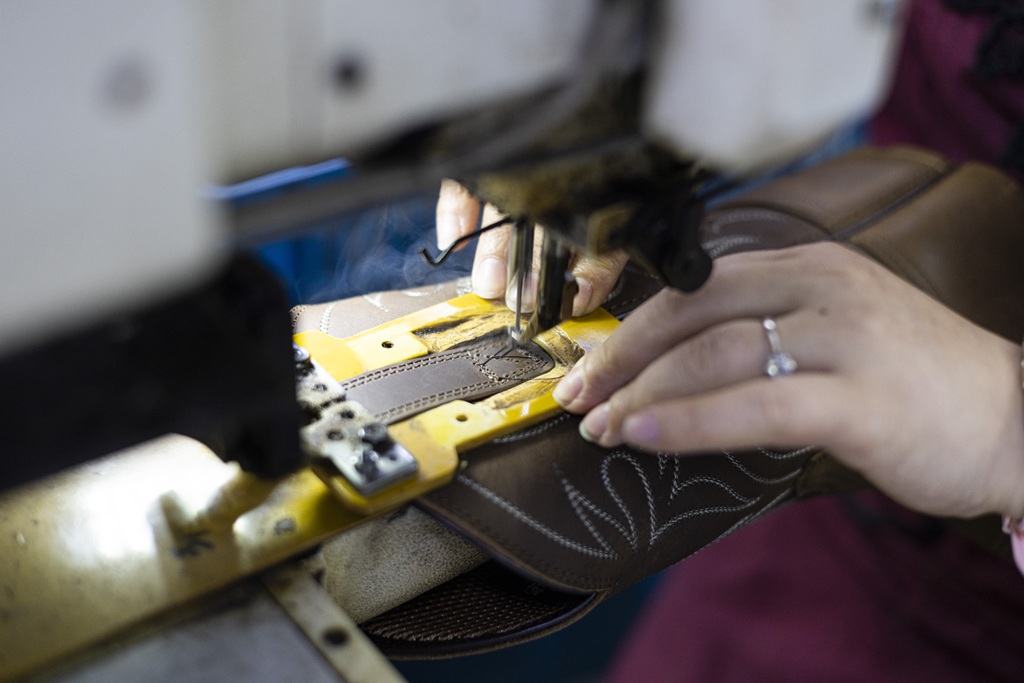
Piping Cord Inlay is a technique where narrow cords are inserted into pre-designed grooves on the upper and stitched in place, creating raised contours that enhance both structure and visual depth....
Though often overlooked, the pull strap plays an important role in everyday wear. Proper stitching and reinforcement help support repeated use throughout the life of a pair of cowboy boots....
Cowboy boots are often purchased for different occasions, styles, and personal preferences, making multiple-pair ownership common among western boot enthusiasts....
Before leather enters production, it goes through a material receiving and evaluation process. This step helps manufacturers better understand the characteristics of each leather batch before manufacturing begins....