

Symbolism Of Riding Boots In Different Cultures
2025-07-31
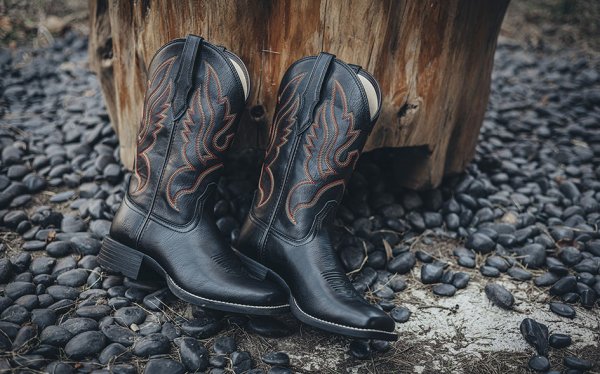
The riding boot, as a type of footwear, has different symbolic meanings in different cultures. It is not only a practical equipment, but also a cultural embodiment. Jiangsu Yibei riding boots source factory focuses on the independent research and development and customized production of high-end cowboy shoes and boots, cowboy work boots. Utilizing the advantages of production, learning and research with Nantong University, Soochow University and other colleges and universities, and adopting the special production technology of footwear - Goodyear technology, the products sell well in domestic and international markets for their high quality, beautiful shape and high technological content.
In Western culture, riding boots are closely associated with chivalry. Knight is a symbol of bravery, loyalty and honor, and riding boots, as one of the important equipment of the knight, also carries these qualities. In ancient Europe, knights wore riding boots and rode horses to fight for their country and honor. Therefore, riding boots represent bravery, strength and honor in Western culture.
In Eastern cultures, riding boots also have a special symbolic meaning. In ancient China, riding boots were the equipment of cavalrymen, representing the might and fighting power of the army. Meanwhile, in some ethnic minorities, riding boots are also part of the traditional dress, with strong national characteristics. For example, the Mongolian riding boots, with its exquisite decoration and craftsmanship, show the bravery and boldness of the Mongolian people.
In modern fashion culture, riding boots have become a fashion symbol. It represents individuality, freedom and fashion attitude. Whether on the runway or in daily life, riding boots can attract people's attention and show the charm of the wearer.
The symbolism of riding boots in different cultures enriches its connotation, making it not only a pair of shoes, but also a cultural heritage and expression.
In Western culture, riding boots are closely associated with chivalry. Knight is a symbol of bravery, loyalty and honor, and riding boots, as one of the important equipment of the knight, also carries these qualities. In ancient Europe, knights wore riding boots and rode horses to fight for their country and honor. Therefore, riding boots represent bravery, strength and honor in Western culture.
In Eastern cultures, riding boots also have a special symbolic meaning. In ancient China, riding boots were the equipment of cavalrymen, representing the might and fighting power of the army. Meanwhile, in some ethnic minorities, riding boots are also part of the traditional dress, with strong national characteristics. For example, the Mongolian riding boots, with its exquisite decoration and craftsmanship, show the bravery and boldness of the Mongolian people.
In modern fashion culture, riding boots have become a fashion symbol. It represents individuality, freedom and fashion attitude. Whether on the runway or in daily life, riding boots can attract people's attention and show the charm of the wearer.
The symbolism of riding boots in different cultures enriches its connotation, making it not only a pair of shoes, but also a cultural heritage and expression.